 |
Wootton and FishbourneIsle of Wight |
Old postcards are sometimes poorly produced and grainy, I've done my best to scan them. Please click thumbnails for larger picture. Dates are from the card or my estimate (where possible). The manufacturer of the card is shown in brackets (where available).
Wootton
"…… we soon arrive at FISHBOURNE,
a small collection of small huts at the month of Fishbourne Creek, or, as
it is more commonly called, WOOTTON RIVER.
At high water— for the river is tidal as far as Wootton Bridge—the
scene from this point is by no means devoid of beauty. The sloping banks
are fringed with oak-copses, whose pendent branches are pleasantly
reflected in the lucent waves shimmering beneath; which, above the
causeway, broaden into an ample and tranquil lake.
WOOTTON (i.e. Wood-town) contains 524 acres. Population in 1861, 79. The rectory, valued at £240, is in the gift of F. White Popham, Esq."
Black's Guide to the Isle of Wight, 1870
|
|
|
|
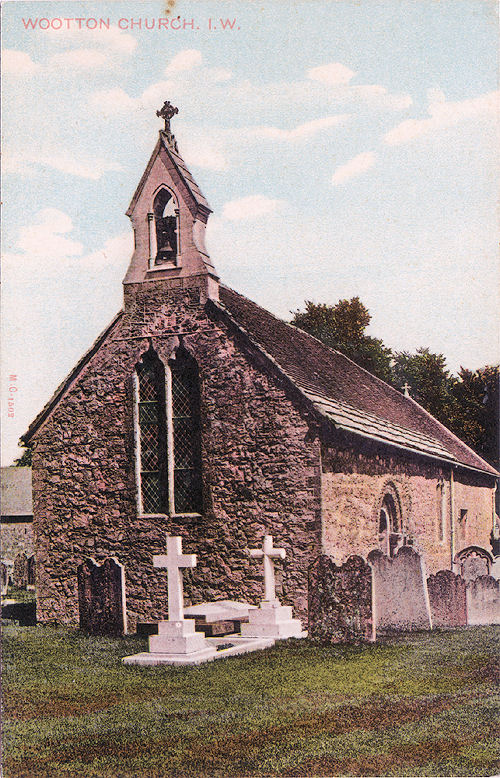
Wootton Church, about 1910. The church is of Norman origin. Peacock) |
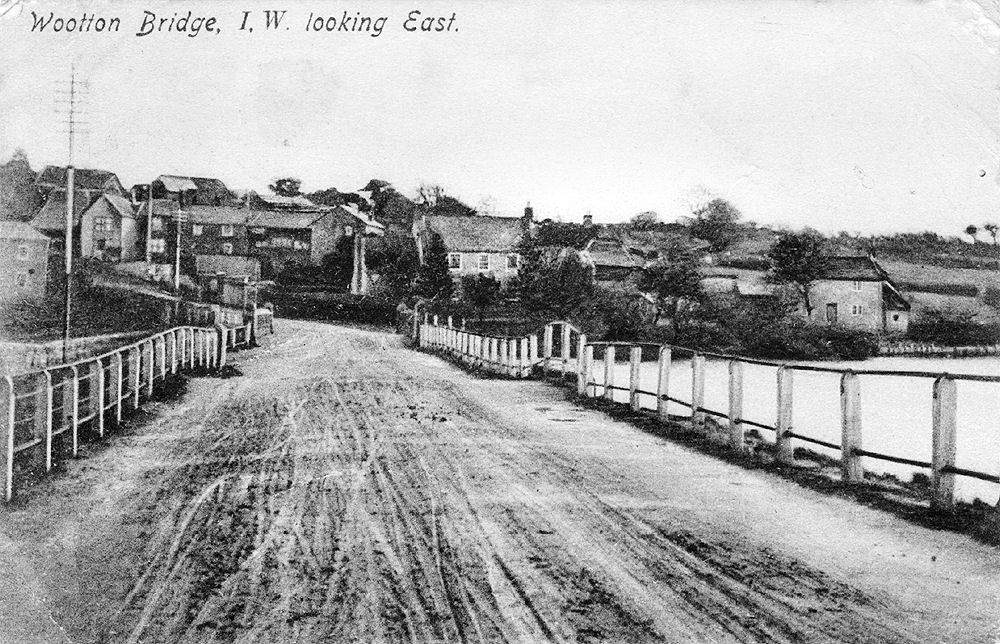
Wootton Bridge looking east, 1905. (Garden Isle) |
|
|
|
|
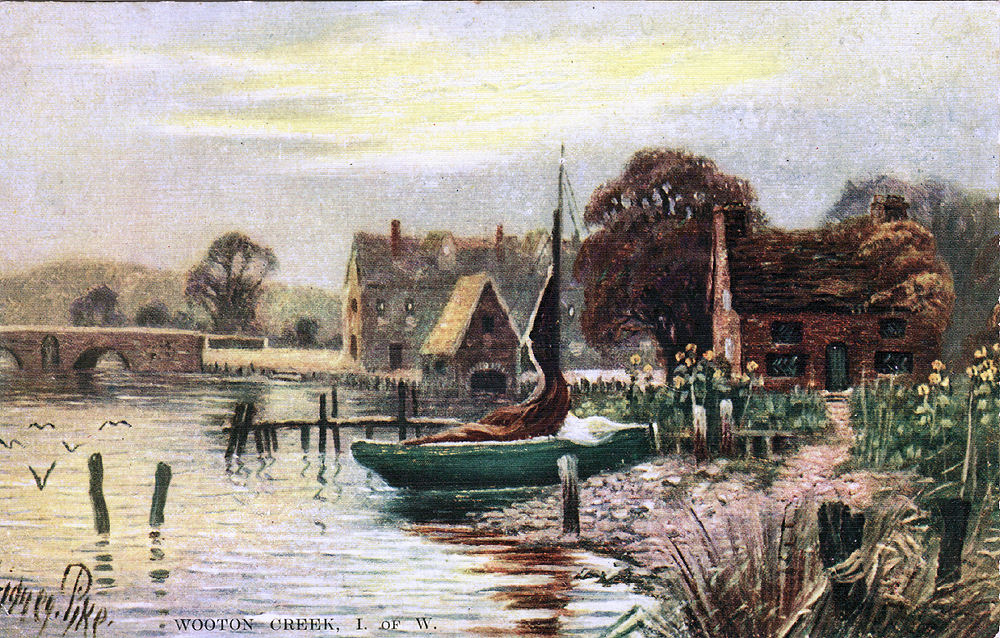
This colourful picture shows the creek looking towards Wootton Bridge around 1905. (Faulkner) |
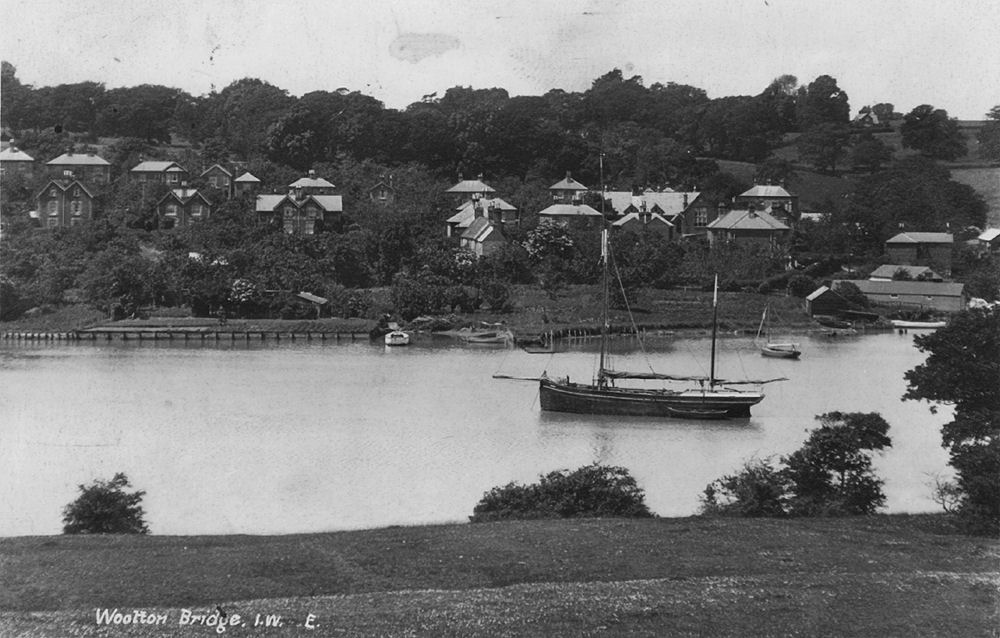
Wootton Bridge around 1925, the bridge, not shown on the postcard, it is to the right. |
|
|
|
|
Houseboats moored on the east side of Wootton Creek about 1960. (Frith) |
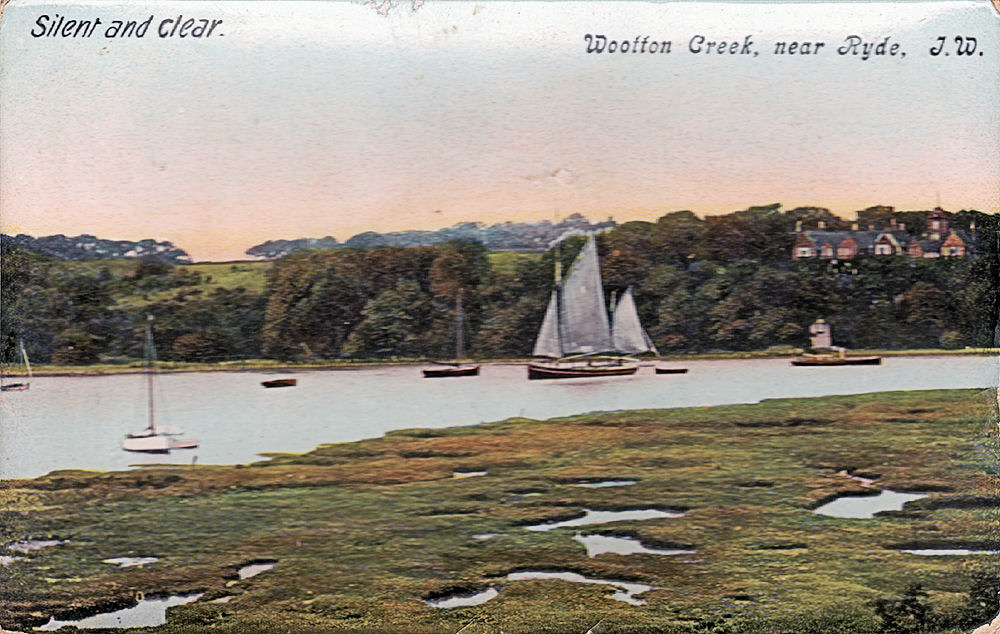
Described as Wootton 'Silent and clear' dated 1912. (Bagwell) |
|
|
|
|
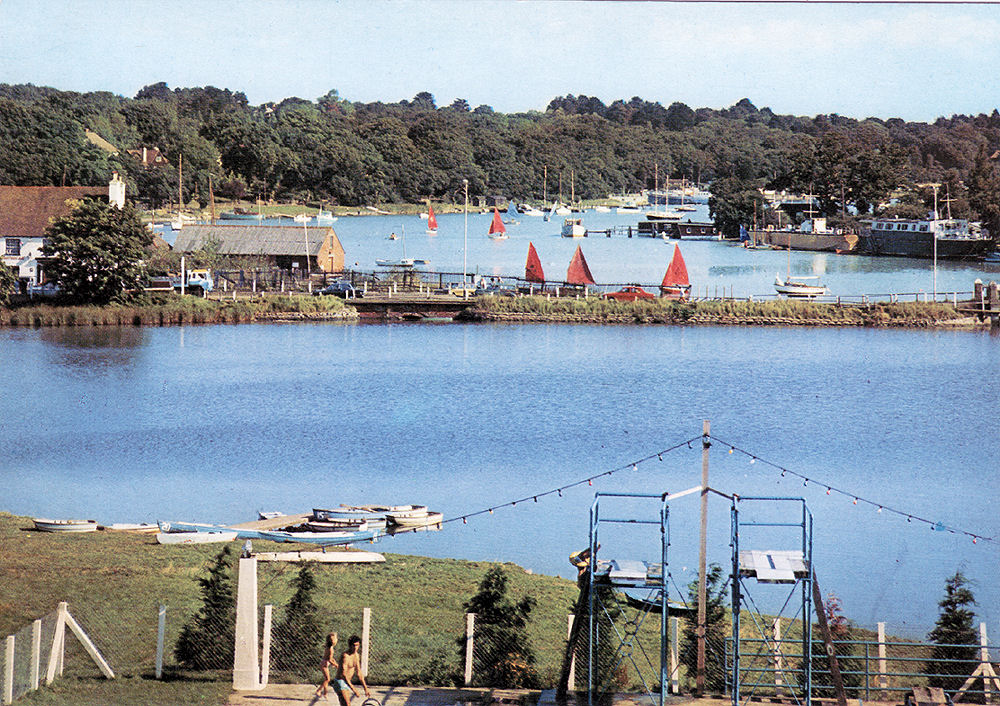
Wootton Creek looking from Lakeside (recently reopened) across Wootton Bridge towards the Solent. Dixon card probably from the 1970's. (Dixon) |
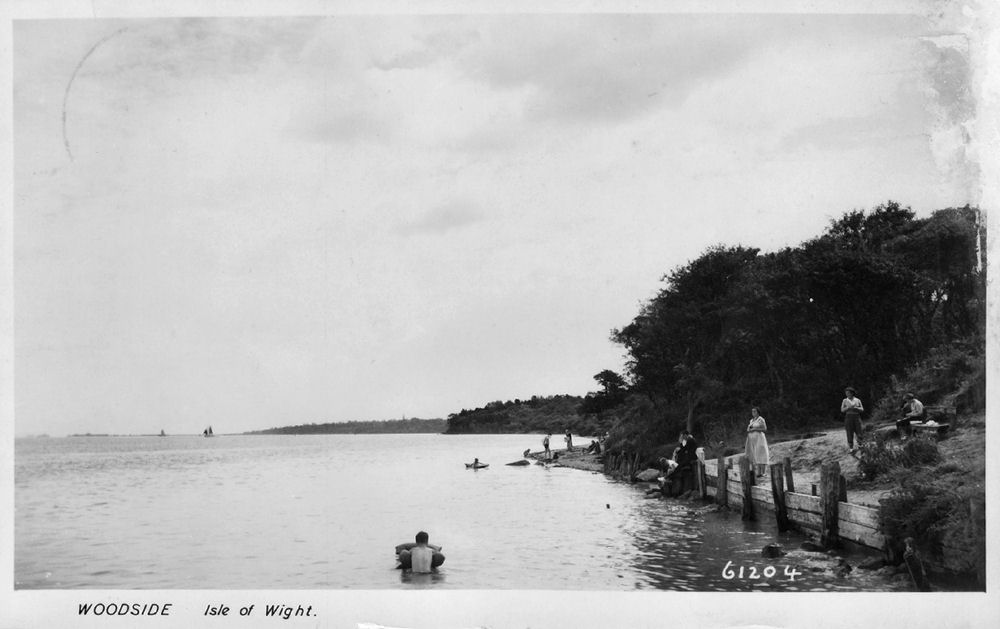
Woodside Bay, Wootton, at the west of Fishbourne Creek, this was formerly home to a large Holiday Camp, 1958. (Paterson) |
|
|
|
|
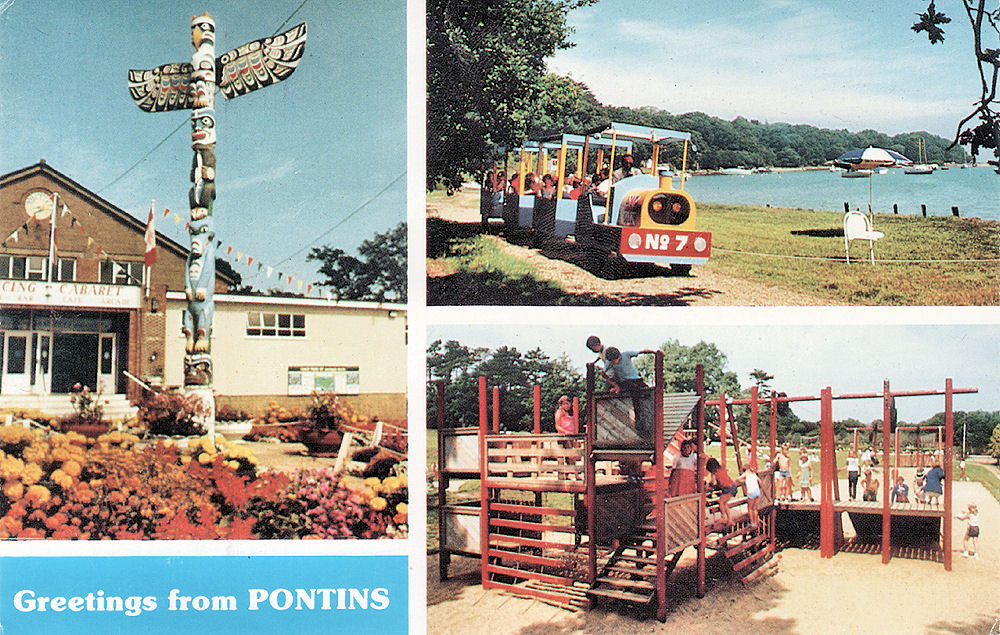
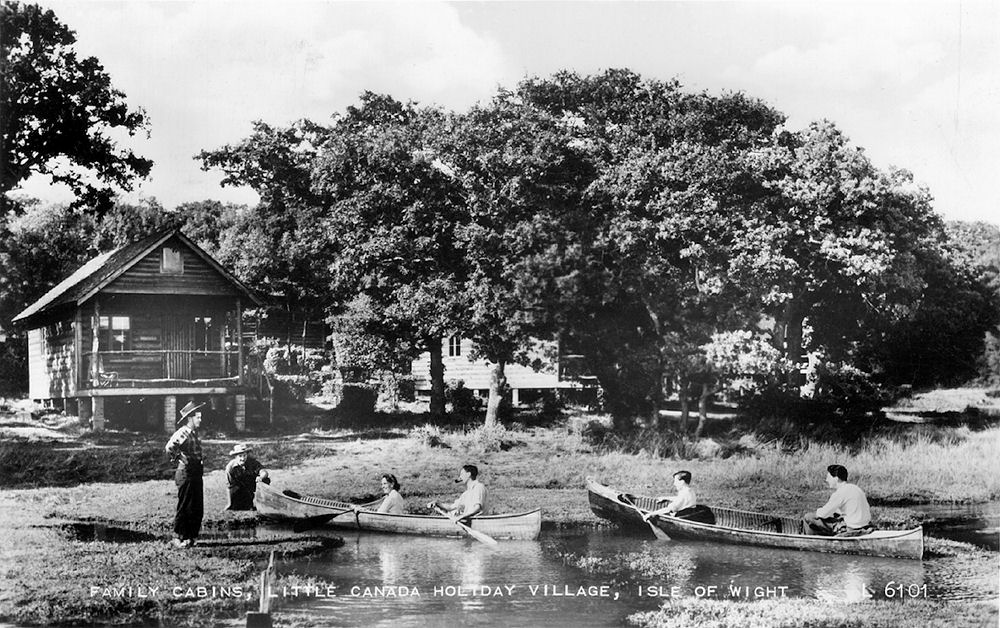
Little Canada holiday camp, on the west side of Wootton Creek. As the name suggests, it was themed like Canada, there were log cabins and named after Canadian provinces. It is now a children's activity centre. (KB Printers) |
Another view of Little Canada, reflecting the Canadian theme from about 1960. (Valentine) |
 |
 |
|
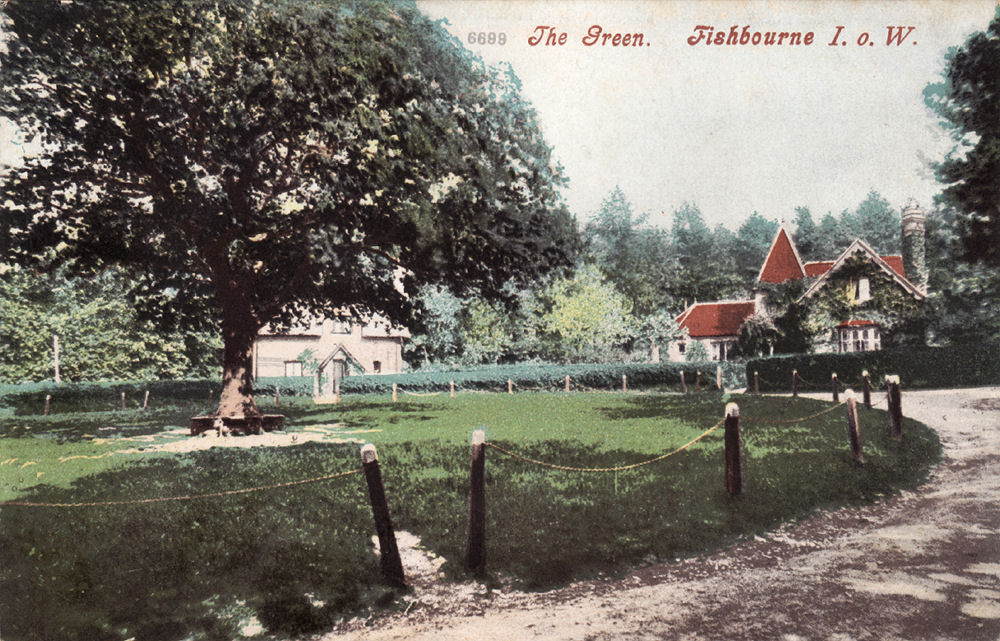
Fishbourne Green, 1905. |
Fishbourne Shore, 1908. |
|
|
|
|
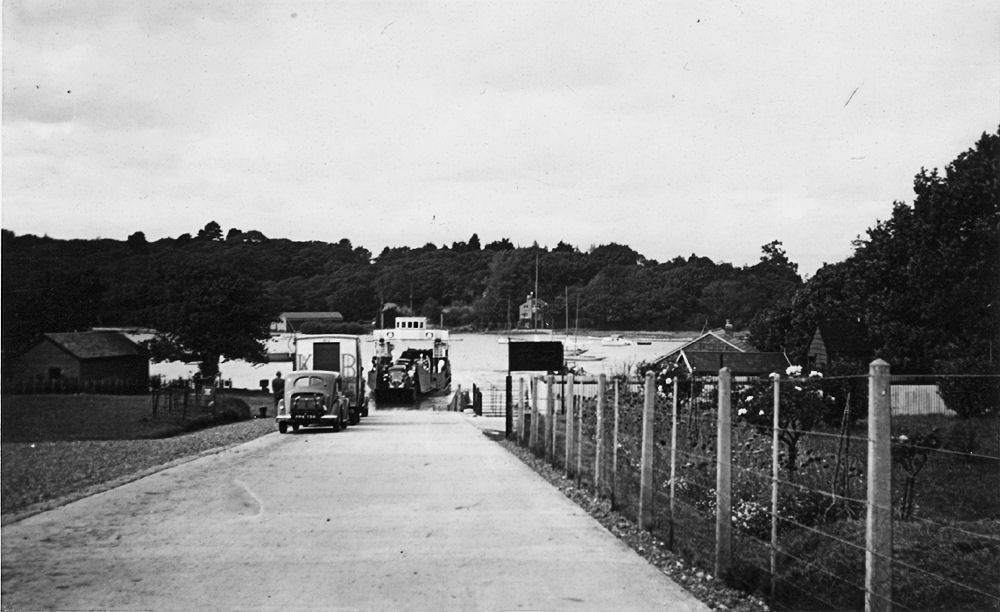
Looking down the slipway at Fishbourne ferry terminal, said to be 1938. |
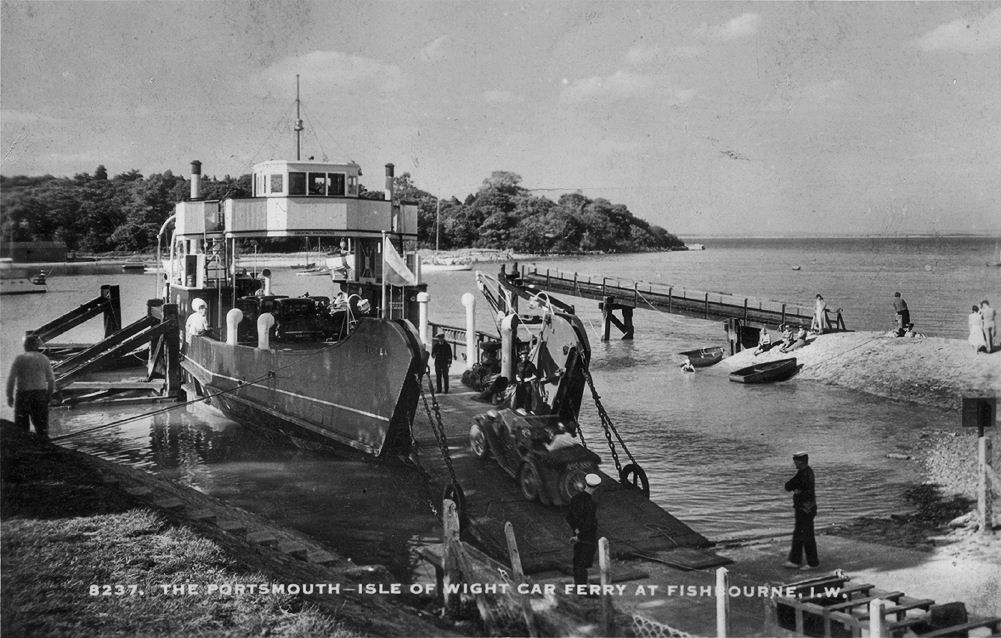
An unidentified ferry at Fishbourne ferry terminal, probably the same date. |